
For teens and their parents
Get stronger the safe way: technique first, no shortcuts.
Teen Muscle Guide explains strength training for teenagers in plain language, from public health and medical sources such as the CDC, the American Academy of Pediatrics and the National Institutes of Health. It is about strength, health and sport, not about changing how you look, and it sells nothing.
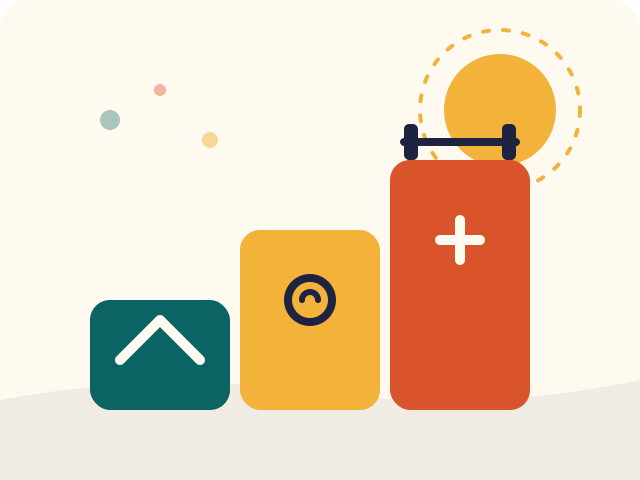
- Technique first
Learn each movement before adding weight. - Supervised
A qualified adult watching, not training alone. - Sleep and food
8 to 10 hours of sleep and everyday meals. - No shortcuts
Supplements and steroids are not recommended.
The guides
Six guides, one question each
Each guide answers one question teens and parents ask, names the sources it relies on, and shows when it was last reviewed against them. They read best in order, but each one stands alone.
-
Is strength training safe for teenagers?
What the evidence says about safety, growth plates and benefits.
-
How much activity teens need, and where strength fits
The daily hour, three kinds of activity, and a week that fits real life.

-
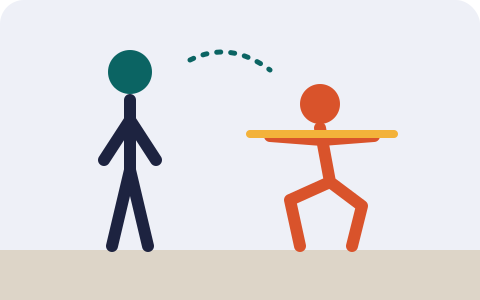
Technique and supervision come first
Learning movements well, with a qualified adult watching.
-
Eating well and sleeping enough
Sleep hours, regular meals and water, and no dieting for strength.

-
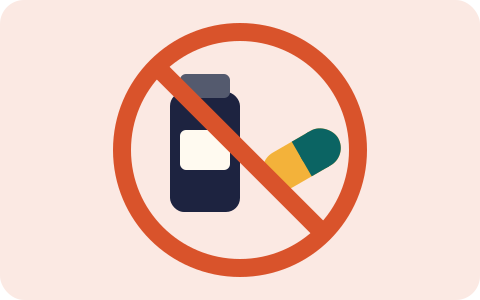
Supplements, steroids and other shortcuts
Why the shortcut is not recommended, and what it can cost.
-
When to see a doctor
Before starting, after an injury, and when something else changes.

How this site works
Health sources, not gym folklore
Advice about teenage training is everywhere, and much of it is selling something. This site takes a narrower path: it says only what public health bodies, medical organisations and their published position statements say, names those sources on every guide, and is clear about what it cannot do, which is assess any one person.
- Authoritative sources onlyThe CDC, the U.S. Department of Health and Human Services, the FDA, the National Institutes of Health and MedlinePlus, the American Academy of Pediatrics, and professional position statements. No blogs and no product makers.
- No programmes, no productsNo routines with weights or numbers, no supplement or brand recommendations, no affiliate links. A qualified instructor who can watch a teen move is the right person to set a programme.
- Strength, not appearanceThe guides talk about getting stronger, moving well and staying healthy. Teen bodies change on their own timetable, and none of that is a race.
Not sure where to start?
Start with one question: is strength training safe for teenagers?
The short answer from the American Academy of Pediatrics is yes, when it is well designed and properly supervised. The first guide explains what those conditions mean and where the real risks come from.